

All about the Brain and Neuropsychology| Blog series
General Overview
Neuroplasticity is the brain’s incredible ability to reorganize itself by forming new neural connections. For a long time, it was believed this ability existed only in childhood, but today we know the brain remains plastic throughout life.
This flexibility is essential for learning, memory formation, and recovery after brain injuries. It involves two main processes:
- Synaptic plasticity: strengthening or weakening connections between neurons based on experience.
- Neurogenesis: the creation of new neurons, especially in the hippocampus, a region linked to memory and spatial navigation.
As neuroscientist Dr. Michael Merzenich explains, neuroplasticity is the foundation of our cognitive flexibility — that is, our ability to adapt to changes and learn from them.
Applications and Therapeutic Potential
Neuroplasticity has been widely applied in rehabilitation after strokes, brain injuries, and even in disorders such as chronic pain and PTSD. With appropriate stimuli — such as physical therapy, cognitive-behavioral therapy, and cognitive exercises — the brain can “reprogram” its pathways and recover lost functions.
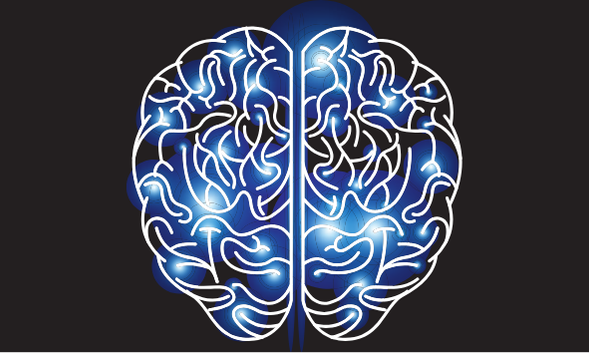
However, neuroplasticity can also have negative effects. When the brain reinforces dysfunctional patterns, such as in chronic pain or anxiety disorders, this is called maladaptive plasticity. That’s why well-designed interventions are essential.
Neuroplasticity Throughout Life
Although most intense in childhood, the brain’s plastic capacity continues into adulthood and old age — it just requires more stimulation. Learning something new, exercising, and maintaining social interactions are proven ways to promote positive brain changes and slow cognitive decline.
Studies even show that learning to juggle can increase gray matter in older adults!
Challenges and Limitations
Despite advances, understanding the mechanisms of neuroplasticity remains challenging. Responses to interventions vary between individuals and across brain regions. And while adult neurogenesis is widely discussed, its true extent in humans is still debated.
There is also an important caution: enthusiasm for neuroplasticity should not lead to exaggerated promises. Cognitive training programs, for example, do not always produce significant real-life benefits.
Thus We May Conclude
Neuroplasticity is a powerful tool to improve brain health at all stages of life. However, it requires caution and understanding.
The future of neuroscience lies in balancing optimism with science — harnessing the brain’s capacity to change with no limits. healthy habits, and varied experiences keeps your mind active and strong at any age. The more you use it, the more it grows.
Check out our podcast all about neuroplasticity.

Want to hear about our PODCAST? Listen to Conrad and Valerie talk about how the Brain is a Symphony of Cognition? Let me take you there. or all about neuroplasticity Enjoy!! Stephanie
References
Bliss, T. V., & Collingridge, G. L. (2019). A synaptic model of memory: Long-term potentiation in the hippocampus. Nature, 361, 31-39.
Boldrini, M., et al. (2018). Human hippocampal neurogenesis persists throughout aging. Cell Stem Cell, 22(4), 589-599.
Flor, H., et al. (2020). The role of maladaptive plasticity in chronic pain. Journal of Pain Research, 13, 1-10.
Krakauer, J. W., et al. (2017). Neurorehabilitation: Learning, plasticity, and recovery. Annual Review of Neuroscience, 40, 153-179.
McEwen, B. S. (2018). Stress, adaptation, and disease: Allostasis and allostatic load. Annals of the New York Academy of Sciences, 840(1), 33-44.
Ming, G. L., & Song, H. (2019). Adult neurogenesis in the mammalian brain: Significant answers and significant questions. Neuron, 70(4), 687-702.
Simons, D. J., et al. (2016). Do brain-training programs work? Psychological Science in the Public Interest, 17(3), 103-186.
Sorrells, S. F., et al. (2018). Human hippocampal neurogenesis drops sharply in children to undetectable levels in adults. Nature, 555(7696), 377-381.
Voss, M. W., et al. (2019). Exercise, brain, and cognition across the lifespan. Journal of Applied Physiology, 125(4), 1007-1018.

the Clinical Insights Blog by Stephanie and edited by Michael
With A little AI and OI | @smithclinic.eng

