
Our Clinical Blog
Discover practical therapeutic techniques, clinical insights, and evidence-based strategies for mental health professionals, parents, and individuals. Practical tips, further reading suggestions and more.

The Neuroscience of Hyperfocus in Attention Deficit Hyperactivity Disorder in List format.
Part 5 of Our October ADHD Awareness Month Series The phenomenon of hyperfocus in Attention Deficit Hyperactivity Disorder (ADHD), challenging […]
ADHD and Hyperfocus: Exploring the Neurological Underpinnings
Part 4 of Our October ADHD Awareness Month Series Attention Deficit Hyperactivity Disorder (ADHD) has long been characterized by symptoms […]
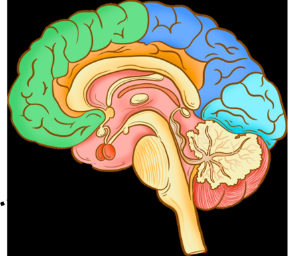
The Brain’s Emotional Guardian | Your Amygdala
Part 3 of Our October ADHD Awareness Month Series Your brain contains a remarkable structure no bigger than an almond […]
October ADHD Awareness Month References
Presenting Our Full List of References and Resources for this Series ADHD is an incredibly complex subject, and one we […]
Hyperfocus, a phenomenon commonly associated with ADHD
Part 2 of Our October ADHD Awareness Month Series Hyperfocus, a phenomenon commonly associated with ADHD, has intrigued researchers for […]
The neuroscience of ADHD and unraveling the complexities of the ADHD brain Overview
Understanding the ADHD Brain by looking at the science behind it. Part 1 of Our October ADHD Awareness Month Series […]
Part 12 | Building Shields
The Science of Protective Factors in Suicide Prevention Yesterday, I received a message that stopped me in my tracks. Y, […]

Debunking the Dangerous Myth that was given a loud voice Monday, the 22nd of September.
The Devastating Return of Maternal Blame, which is to say the Resurrecting of Old Wounds.
For me as a neuropsychologist, the most insidious aspect of the Tylenol-autism claim isn’t just its lack of scientific data, it’s the way it resurrects the historically damaging practice of blaming mothers for their children’s autism.
For decades, families endured the devastating so called refrigerator mother theory, which falsely suggested that cold, unloving mothers caused their children’s autism.
Part 11 | History of Self-Harm: The Dangerous Stepping Stone
In an earlier post, I wrote about vulnerability factors, but I felt that as this self-harm deserved a full post […]
Part 10 | Understanding Vulnerability
The Science Behind Why Some People Face Higher Suicide Risk Last week, while reviewing case files, I was struck by […]
Neuropsychological implications, and how to interconnect Durkheim’s theories on how suicide affects the brain | Part 9 | Suicide Prevention Awareness Series
Part 9 | From a neuropsychological perspective, each type of suicide according to Durkheim, corresponds to different patterns of brain dysfunction.
Cultural Variations for Brazil | Part 8 | Suicide Prevention Awareness Series
Part 8 | Working in Brazil has shown me how cultural factors interact with Durkheim’s suicide types in unique ways. Brazilian culture traditionally emphasises strong family bonds and community connection, as well as emphasising warmth, personal connection, and emotional expressiveness, these are what we call protective factors against egoistic suicide. And yet these same cultural strengths can become vulnerabilities in digital contexts.