
Our Clinical Blog
Discover practical therapeutic techniques, clinical insights, and evidence-based strategies for mental health professionals, parents, and individuals. Practical tips, further reading suggestions and more.

The Regulation Crisis: Norm Confusion in Normless Spaces | Part 7 | Suicide Prevention Awareness Series
Part 7 | Digital spaces often lack clear moral frameworks, think a little about the following questions:
What’s private versus public?
What’s authentic versus performative?
How do traditional relationship rules apply to online connections?
From 1897 to 2025: How Durkheim’s Suicide Theory Explains Our Digital Isolation Crisis | Part 6 of Suicide Prevention Awareness Series
Part 6 Whilst I was looking for inspiration to write these posts, I found a paper I wrote on Émile Durkheim’s “Le Suicide” from 1897. Rereading the paper, I realised that this sociologist’s writings about human despair might hold part of the key to understanding why a 16-year-old in Florida could find so much comfort in an AI chatbot.
Warning Signs in the Digital Age Part 5 of Suicide Prevention Awareness Series
Part 5 However, digital-age risk assessment must expand to include new indicators, such as isolation patterns, anthropomorphization of Ai, and repetitive behaviours.
The Brazilian Context: Cultural Factors in Digital Mental Health Part 4
Part 4 In my practice, I see many who maintain extensive online social networks yet report feeling profoundly misunderstood by their families. This disconnect between digital and physical social worlds creates what I’m going to describe as intergenerational digital isolation, a phenomenon where young people increasingly turn to AI or anonymous online sources for emotional support rather than trusted adults in their physical environment.
What is Yellow September? Part 3 of Suicide Prevention Awareness Series
Part 3 Let me give you a little background about the Origins of Yellow September from Brazil
Yellow September began in Brazil in 2015, spearheaded by the Centro de Valorização da Vida (CVV) in partnership with the Federal Council of Medicine and the Brazilian Psychiatric Association. The choice of yellow, which represents life, light, and hope, and the choice of the month of September, coincides with World Suicide Prevention Day on September 10th, thus creating a month-long focus on awareness and prevention.
The Crisis We Cannot Ignore Part 2 A neuropsychologist’s perspective on the intersection of technology, isolation, and suicide prevention.
Part 2 of our Yellow September Series | The Crisis We Cannot Ignore.
A neuropsychologist’s perspective on the intersection of technology, isolation, and suicide prevention.
Adam Raine | A Portrait of Digital Age Vulnerability
A neuropsychologist’s perspective on the intersection of technology, isolation, and suicide prevention
Adam Raine was, by many accounts, a typical American teenager navigating the complex intersection of adolescence and digital connectivity. Living with his parents, he was described by family and friends as intelligent, creative, and struggling with the social challenges that many others face in our hyperconnected yet paradoxically isolating world.
About the upcoming series from Smith Clinic Yellow September Suicide Prevention and Awareness Month Series
Intro to our Yellow September Suicide Prevention and Awareness Month Blog Series By Neuropsychologist Stephanie Joy Smith
Yellow September | Suicide Prevention Month
Where to reach out if you need help urgently in Brasil and USA and UK | Suicide Prevention Month
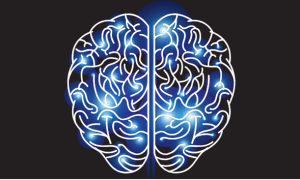
The Brain’s Emotional Guardian | Your Amygdala
Explore how the amygdala, a small almond-shaped brain structure, shapes your emotions, memories, decision-making, and social interactions.

The Fascinating Journey of Memory: The Role of the Hippocampus in the Brain
Learn all about how vital the hippocampus really is in our daily lives.
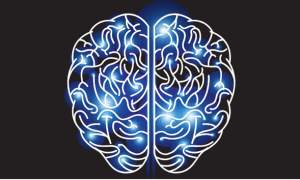
The Structure of the Brain and Why It Matters
Enjoy this quiz video below!!! Learn how the brain’s structure influences learning, memory, and emotions. Explore the power of neuroplasticity and how to support brain development at any age.