
The 3 PM Friday Phenomenon: When One More Task Pushes You Over the Edge
The Dreaded 3 PM Friday Task The Breaking Point of School Psychologists In a groundbreaking study that’s sure to resonate […]
Welcome to the University of Wit and Cheek, where humor meets academia. Our unique programs blend intellectual rigor with a dash of absurdity, preparing students for the unpredictable world beyond. Discover your potential in our quirky, innovative learning environment.
The Dreaded 3 PM Friday Task The Breaking Point of School Psychologists In a groundbreaking study that’s sure to resonate […]

In a world where health advice is as ubiquitous as cat videos on the internet, the esteemed Professor Sarcasm Dryly

“Our groundbreaking studies show that hugs increase oxytocin levels, which in turn might help school psychologists forget about their crushing workloads and inadequate resources.”

The event, hosted by the prestigious University of Wit and Cheek, was chaired by the indomitable Dr. Mac Stubborn, known for his ability to maintain order in even the most chaotic of academic showdowns.

Discover the latest research on the Empty Chair Technique from the University of Wit & Cheek’s Department of Neuropsychologists. Uncover the surprising benefits and hilarious pitfalls of talking to furniture.
Professor Dryly’s research uncovered what he terms the “Chaos Contagion Effect.”
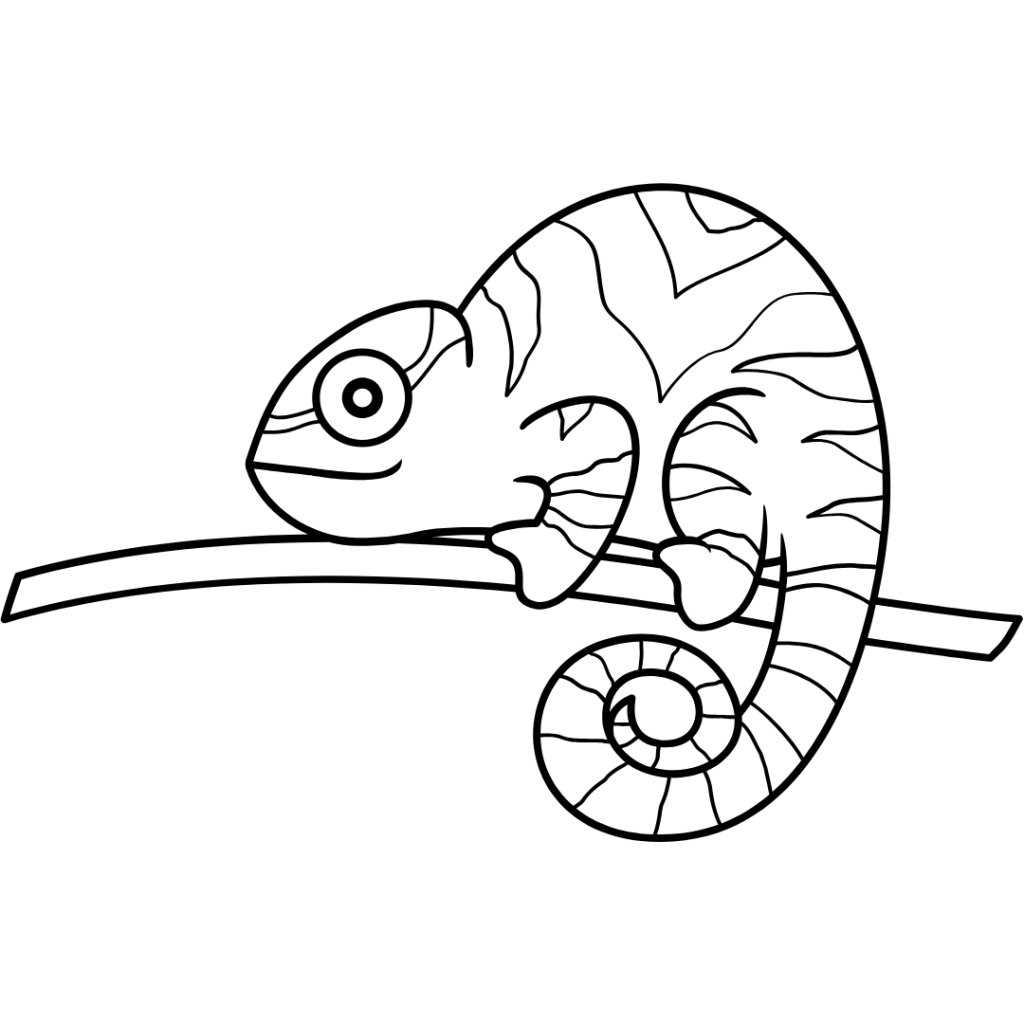
In a groundbreaking study that has left the intelligence community both intrigued and mildly concerned, Professor Sarcasm Dryly from the

Professor Dryly’s research, conducted with the utmost seriousness and a perfectly straight face, reveals that TCKs are, in fact, the chameleons of the cultural jungle. “These children,” Dryly notes with a hint of dry humor, “have the remarkable ability to blend into any cultural backdrop faster than you can say ‘cultural appropriation.'” The study found that 87% of TCKs can seamlessly switch between at least three different accents, making them the envy of struggling actors everywhere.
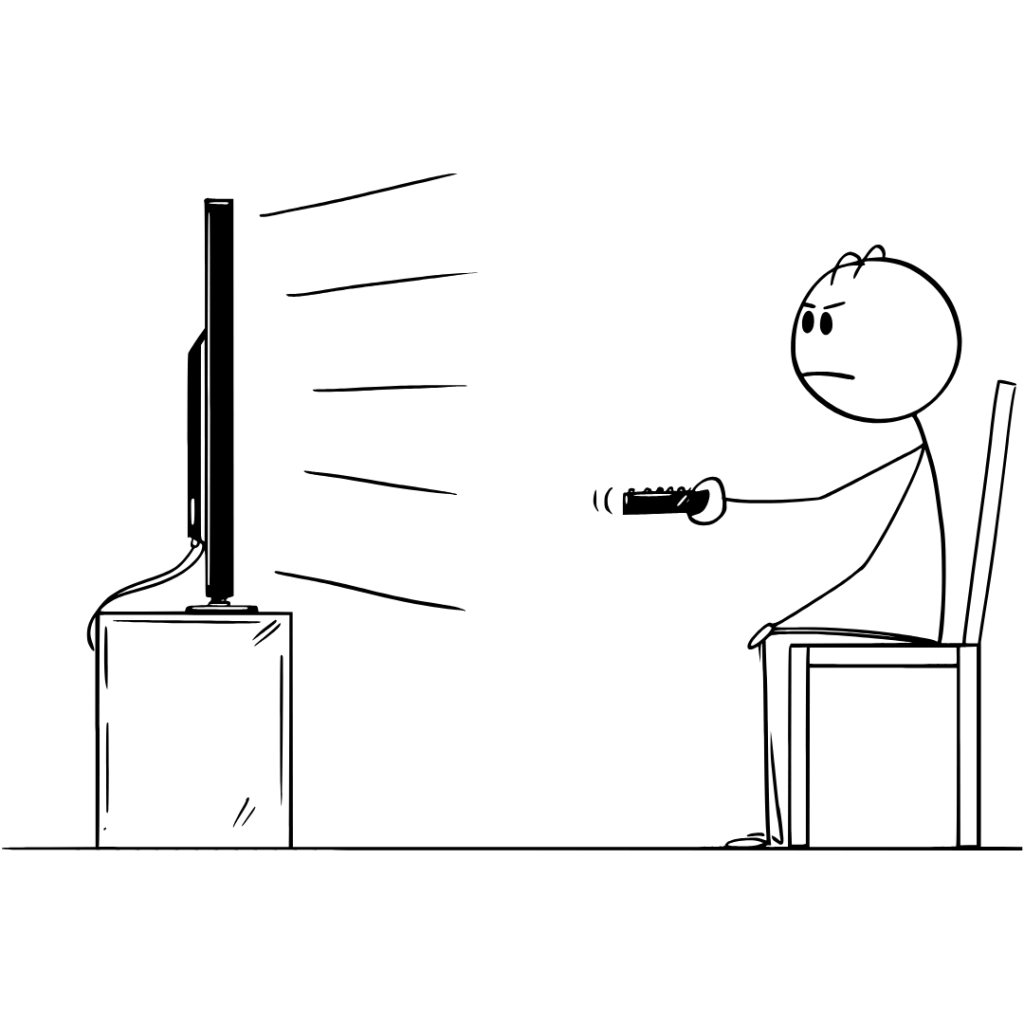
This groundbreaking study, which promises to revolutionize our understanding of modern viewing habits – or at least provide a few chuckles along the way – delves into the intricate psychology of content consumption in the age of endless choices.
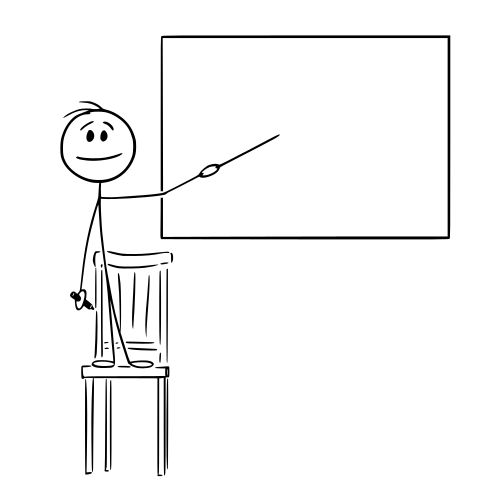
Contrary to popular belief that sarcasm is merely a tool for social ridicule, Professor Dryly’s research indicates that it may serve a higher cognitive purpose.
