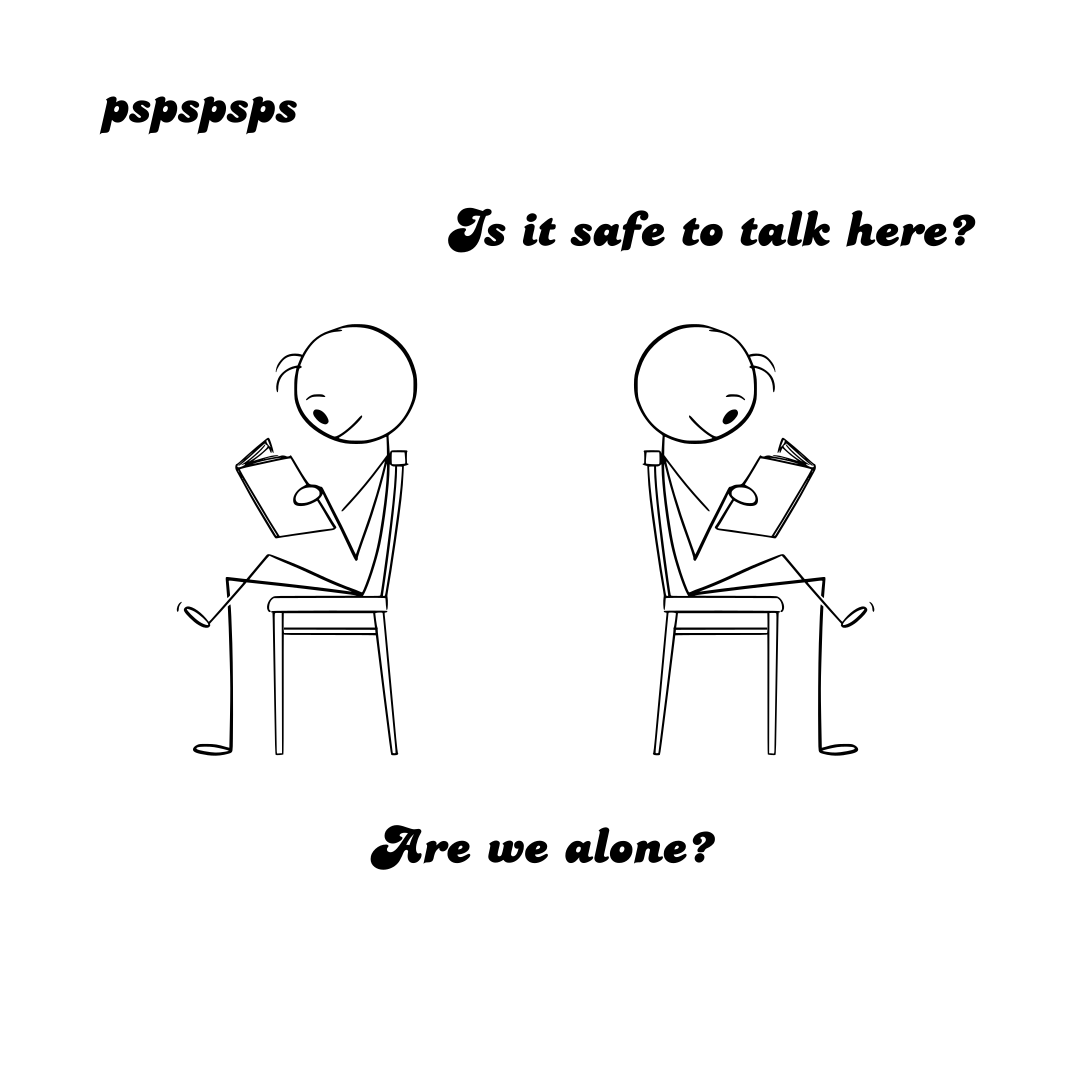
The ADHD boss, a symphony of chaos in C minor (where the C stands for constantly Late)
When Your Boss Has ADHD: Surviving Organizational Chaos Part 3 of Our October ADHD Wit & Cheek Series In a […]
Dive into the world of irony at UWC. We explore irony’s role in literature, media, and everyday life.
When Your Boss Has ADHD: Surviving Organizational Chaos Part 3 of Our October ADHD Wit & Cheek Series In a […]

These are my or oops of course, the department’s key findings: Production Purgatory and the Art of Teasing

Learn more about the hoodie’s long history.
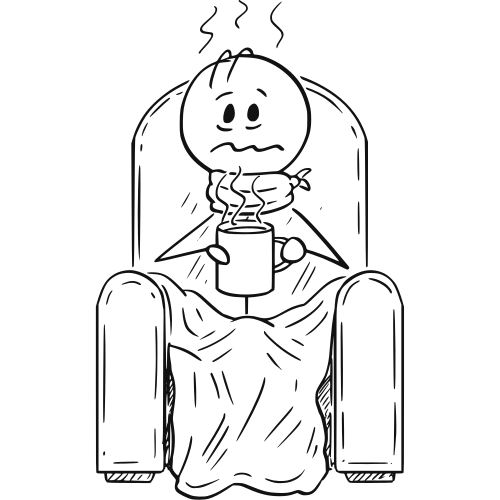
“We live in a world where being sick is an Olympic event, and offering unsolicited advice is the national pastime,” quips Professor Dryly, his eyebrow raised in a manner that suggests he finds the very idea both fascinating and mildly absurd.

Laughter: The Ultimate Panacea – Professor Sarcasm Dryly’s Groundbreaking Research Reveals All
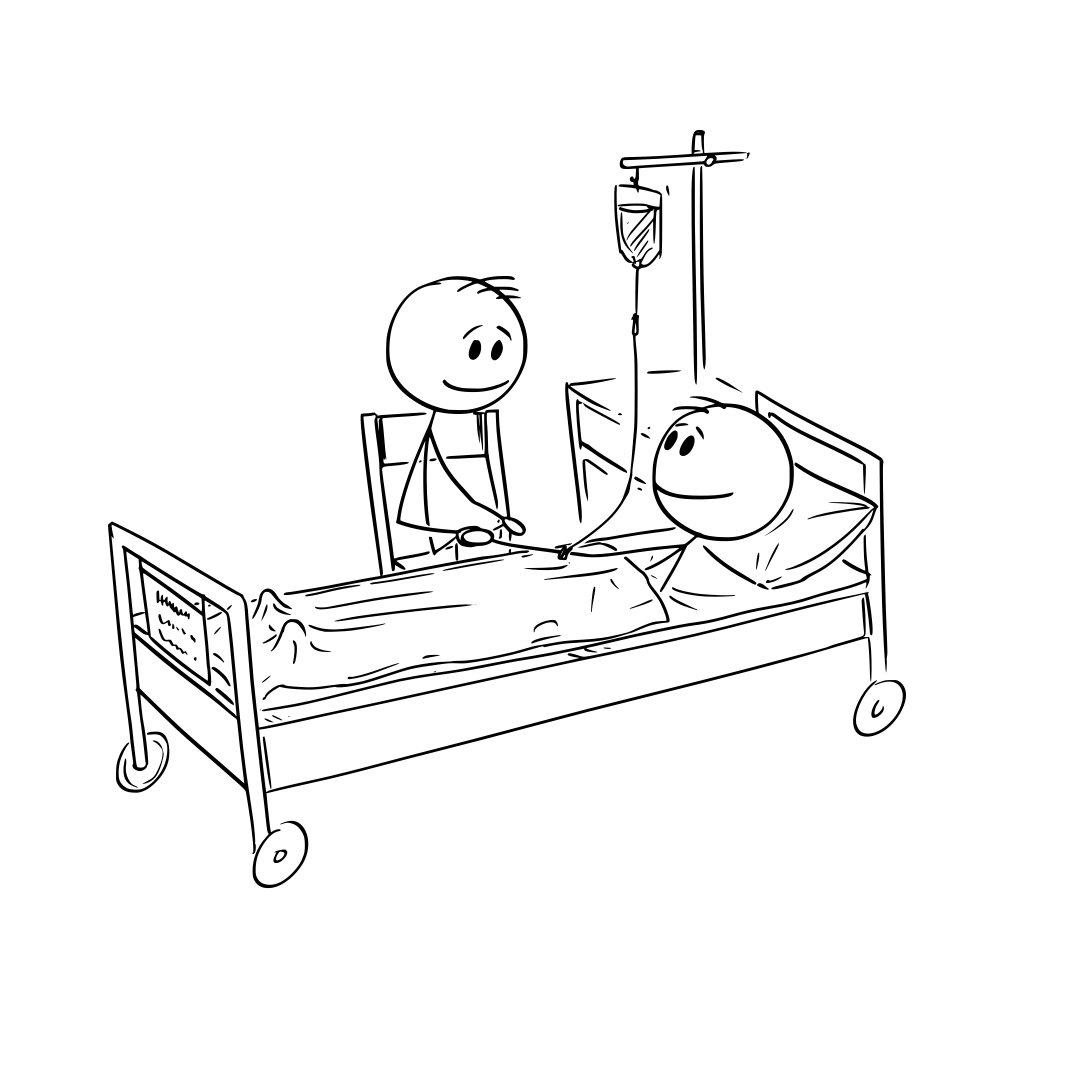
This groundbreaking study, which promises to expose the utter futility of well-meaning but misguided suggestions – and perhaps elicit a few knowing chuckles from those who have endured such “helpful” input – delves into the myriad ways in which people attempt to minimize, dismiss, or outright deny the experiences of those living with chronic pain.
In a riveting spectacle of intellectual prowess and sardonic wit, the hallowed halls of the University of Wit & Cheek recently played host to a debate that would make even the most stoic of academics crack a smile. The topic at hand? The perennial favorite of optimists and masochists alike: New Year’s resolutions.
On one side, we had the esteemed representatives from The Department of Neuroscientists & Neuropsychologists, who proudly accept anyone with a penchant for brain matter and a tolerance for terrible puns. Facing off against them were the formidable wordsmiths from The Department of A Splash of Irony, armed with enough sarcasm to fill the Mariana Trench.
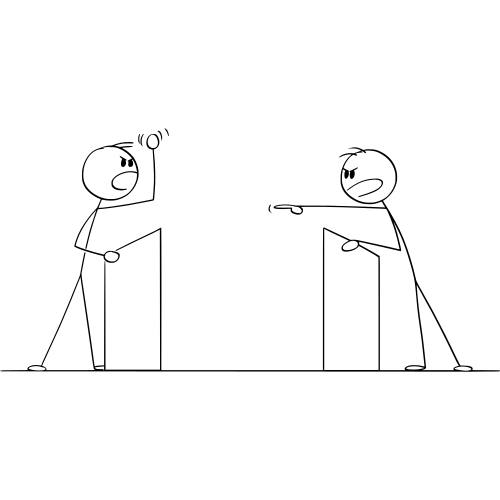
The Great Diagnostic Debate | DSM-5 and ICD-11 | Diagnostic Frameworks in Therapy | A Battle of Wits and Wisdom at the University of Wit and Cheek
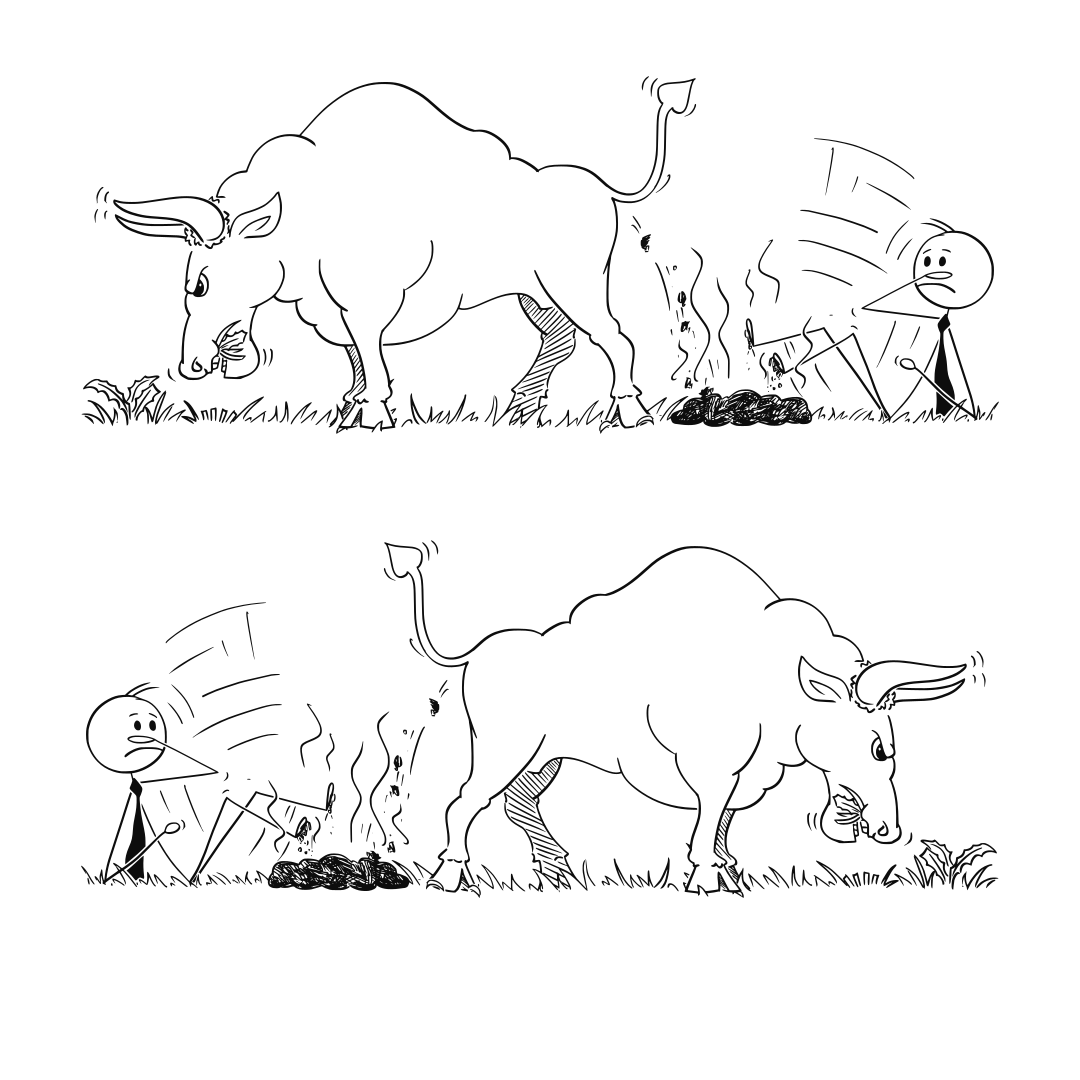
The phrase appears to have emerged in popular culture during the mid-20th century, with documented usage becoming more prevalent after 1960. While some claim earlier origins, the first verifiable written instances appear in the 1970s, coinciding with a period when casual profanity became more socially acceptable.