
Empty Chair Technique: Revolutionizing Therapy or Just Fancy Furniture?
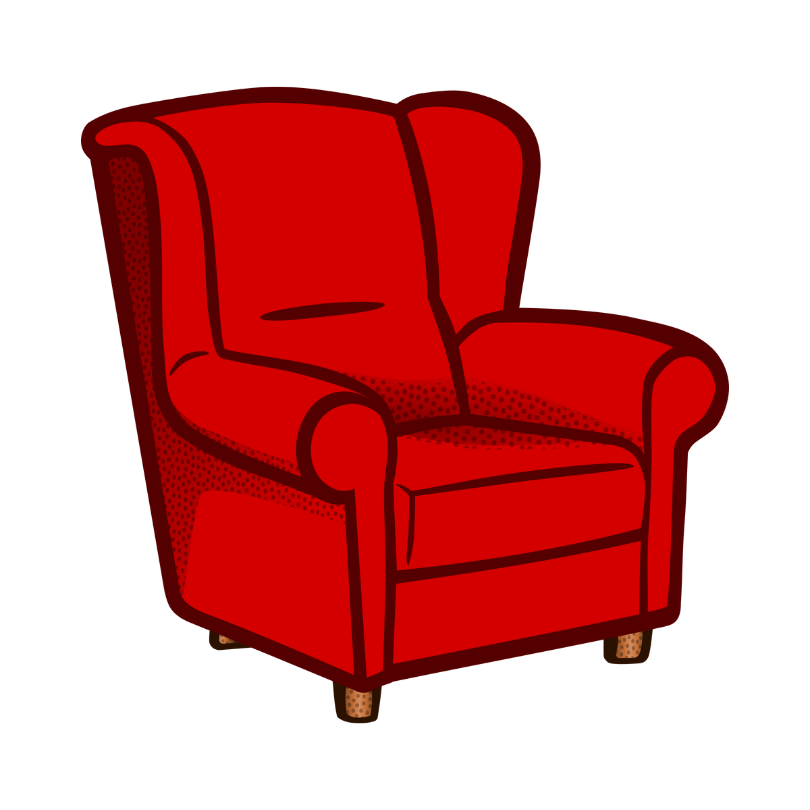
Empty Chair Technique:
Revolutionizing Therapy or Just Fancy Furniture?
Empty Chair Technique: Revolutionizing Therapy or Just Fancy Furniture?
Meta Description: Discover the latest research on the Empty Chair Technique from the University of Wit & Cheek’s Department of Neuropsychologists. Uncover the surprising benefits and hilarious pitfalls of talking to furniture.
Title: The Empty Chair Technique: When Furniture Becomes Your Therapist
In a groundbreaking study that has left the psychology community both astounded and slightly amused, researchers from the prestigious University of Wit & Cheek’s Department of Neuropsychologists have delved deep into the world of the Empty Chair Technique. This revolutionary approach to therapy, which involves having heartfelt conversations with inanimate objects, has been hailed as either a stroke of genius or a sign that we’ve finally lost our collective marbles.
Dr. Amygdala, head of the department and known for her emotional outbursts during faculty meetings, stated with uncharacteristic calm, “Our research shows that talking to chairs is more effective than we thought. It’s like having a therapist who never interrupts you or charges by the hour.”
The study, conducted during what the researchers described as a “hyperfocus and hyper-productive day” (read: fueled by an alarming amount of caffeine), revealed that the Empty Chair Technique can lead to significant breakthroughs in emotional processing. Dr. Cortex, barely containing his excitement, exclaimed, “It’s as if the chair has a PhD in psychology! Who knew IKEA was churning out such qualified therapists?”
One of the most surprising findings was the discovery that the type of chair used can significantly impact the therapeutic outcome. “We found that plush armchairs led to more emotional revelations, while folding chairs resulted in clients feeling, well, a bit folded in on themselves,” Dr. Amygdala explained, with a wink that suggested she was both joking and deadly serious.
The research also shed light on the brain’s response to imaginary conversations. “We observed increased activity in the prefrontal cortex during these sessions,” Dr. Cortex elaborated, struggling to maintain his professional demeanor. “It’s as if the brain is saying, ‘Look, Ma, I’m talking to furniture!'”
Perhaps the most intriguing aspect of the study was the revelation that the Empty Chair Technique can be effective in resolving conflicts with absent parties. “Clients reported feeling a sense of closure after expressing their feelings to an empty chair,” Dr. Amygdala noted. “It’s like sending an emotional email, but without the risk of accidentally hitting ‘Reply All’.”
However, the researchers were quick to point out potential pitfalls. “We did have one participant who became a bit too attached to their therapeutic chair,” Dr. Cortex cautioned. “They tried to take it out for dinner. We had to gently remind them that while the chair is an excellent listener, it’s not much of a conversationalist over appetizers.”
In conclusion, this groundbreaking research from the University of Wit & Cheek has opened new avenues for understanding and implementing the Empty Chair Technique. As Dr. Amygdala eloquently put it, “Sometimes, the best therapist is the one that doesn’t talk back. Just make sure it’s not a rocking chair, or you might end up feeling a bit unsteady.”
While the psychological community eagerly awaits further developments, one thing is clear: the Empty Chair Technique is no longer just sitting around. It’s standing up to be counted in the world of therapeutic interventions – even if it can’t actually stand up on its own.
References
Smith, Stephanie Joy, “The Empty Chair Technique: When Furniture Becomes Your Therapist” Published at Smith Clinic, Editor by Stephanie at Chaos & Shoes, 2024.
References
Using empty-chair dialogue. Journal of Consulting and Clinical Psychology, 63(3), 419-425.
Kellogg, S. (2015). Transformational chairwork: Using psychotherapeutic dialogues in clinical practice. Rowman & Littlefield.
Pugh, M. (2019). Cognitive behavioural chairwork: Distinctive features. Routledge.
Paivio, S. C., & Greenberg, L. S. (1995). Resolving “unfinished business”: Efficacy of experiential therapy
https://www.mindfulleader.org/blog/92017-unlock-compassion-8-step-gestalt-empty
https://www.carepatron.com/guides/empty-chair-technique
https://link.springer.com/article/10.1007/s10879-024-09632-y


By Stephanie with AI & OI
from the University of Wit & Cheek.
Link to learn more about this technique
