

Clinical Insights Blog Series
The Ultimate Guide to Two-Year-Old Development: Navigating the Toddler Years SERIES Part 2 of 6.
Part 2 | Welcome back, intrepid parents!
If you thought the cognitive leaps of your two-year-old were fascinating, buckle up for an even wilder ride – their emotional development.
This second installment of our series delves into the heart-warming, heart-wrenching, and sometimes downright perplexing world of toddler emotions. Let’s navigate this emotional rollercoaster together, shall we?
The Emotional Landscape of a Two-Year-Old
Imagine your emotions amplified tenfold, with little ability to understand or control them. That’s the daily reality for your two-year-old. Their emotional world is expanding rapidly, bringing a mix of joy, frustration, and everything in between.
From Simple to Complex Emotions
At two, your child is moving beyond basic emotions like happiness, sadness, and anger. They’re beginning to experience more nuanced feelings:
Pride: That beaming smile when they stack blocks or put on their shoes.
Embarrassment: The shy hiding behind your legs in new situations.
Empathy: Offering a toy to a crying friend (even if they take it back moments later).
Jealousy: The sudden interest in a toy their sibling is playing with.
This emotional complexity is a sign of healthy development, even if it sometimes feels like emotional whiplash for parents!
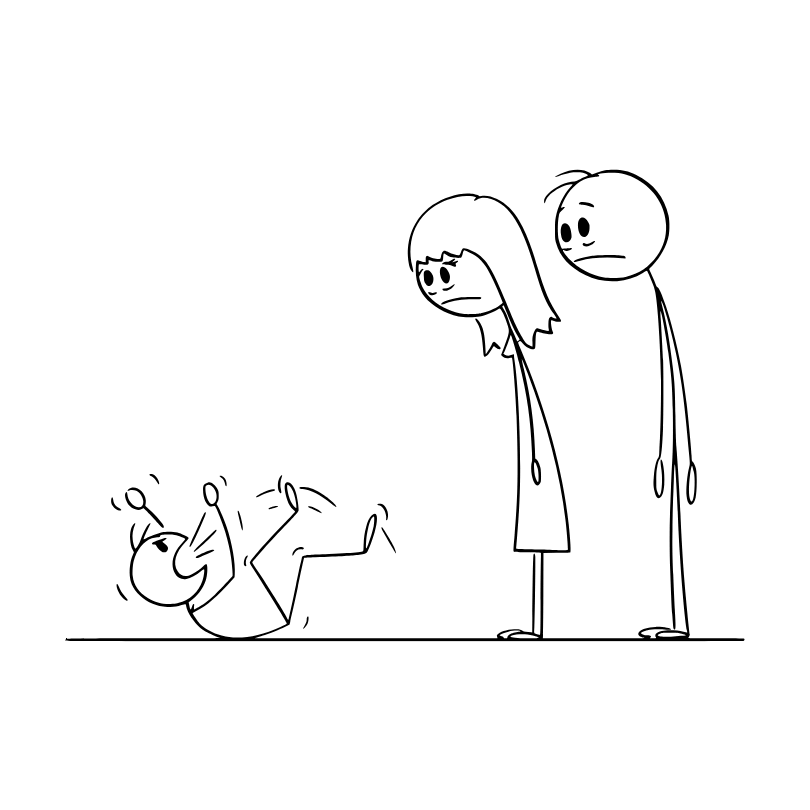
The Infamous Tantrums: More Than Meets the Eye
Ah, the terrible twos – a phrase that strikes fear into the hearts of parents everywhere. But let’s reframe these outbursts. Tantrums are not just inconvenient disruptions; they’re valuable windows into your child’s emotional world.
Understanding the Tantrum Trigger
Tantrums often stem from:
Frustration: When desires outpace abilities.
Overwhelm: Too much stimulation or change.
Fatigue or hunger: Physical discomfort amplifying emotions.
Need for attention or control: Testing boundaries and asserting independence.
Remember, your child isn’t giving you a hard time – they’re having a hard time. Their prefrontal cortex, responsible for emotional regulation, is still very much under construction.
Navigating the Storm
When a tantrum hits, try these strategies:
Stay calm: Your composure can be contagious.
Acknowledge feelings: “I see you’re really upset right now.”
Offer choices: This gives a sense of control. “Do you want the red cup or the blue cup?”
Use distraction: Sometimes, a change of scenery works wonders.
Provide a safe space: Some children need a quiet spot to calm down.
Remember, the goal isn’t to stop all tantrums (an impossible task!) but to help your child learn to manage big feelings over time.
The Power of Emotional Vocabulary
One of the most valuable gifts you can give your two-year-old is the language to express their emotions. When children can name their feelings, they’re better equipped to manage them.
Building an Emotional Lexicon
Try these techniques:
Label emotions: “You look frustrated trying to put that puzzle piece in.”
Use books: Read stories that explore different feelings.
Play emotion games: Make faces expressing different emotions and have your child guess.
Model emotional expression: “I feel happy when we read together.”
As your child’s emotional vocabulary grows, you might be surprised at their insights. “Mommy sad?” a two-year-old might ask, showing early signs of emotional intelligence.
The Role of Attachment in Emotional Development
At two, your child is in a push-pull relationship with you. One moment they’re fiercely independent, the next they’re clinging to your leg. This is all part of healthy attachment.
Secure Base Behavior
Your two-year-old uses you as a secure base from which to explore the world. They’ll venture out, but frequently check back in for emotional refueling. This back-and-forth dance is crucial for emotional development. Try these tips to support this.
Be consistently available: Physically and emotionally present.
Respond sensitively: To both their need for comfort and independence.
Encourage exploration: While providing a safe haven to return to.
Remember, fostering independence doesn’t mean pushing your child away. It’s about being there when they need you and celebrating their steps toward autonomy.
The Emergence of Empathy
One of the most heartwarming aspects of this age is the budding capacity for empathy. Your two-year-old might:
Offer a hug to someone who’s crying.
Show concern if they think they’ve hurt someone.
Try to help with tasks (even if it’s not actually helpful).
These early signs of empathy are the foundation for future social-emotional skills. Encourage this by:
Praising kind actions: “That was so nice of you to share your toy.”
Pointing out others’ feelings: “Look, that little girl seems sad. I wonder why?”
Modeling empathy: Show concern for others in your daily life.
Self-Awareness and the Beginnings of Self-Esteem
Around two, children become increasingly self-aware. They recognize themselves in mirrors and begin to use personal pronouns like “I” and “me”. This self-awareness brings the early stirrings of self-esteem.
Nurturing Healthy Self-Esteem
To support positive self-esteem:
Offer specific praise: “You worked hard to build that tower!” rather than just “Good job!”
Encourage effort: Focus on the process, not just the outcome.
Provide opportunities for mastery: Age-appropriate tasks they can complete successfully.
Avoid comparisons: Each child develops at their own pace.
Remember, the goal is to help your child feel capable and valued, not to create an inflated sense of self.
Emotional Regulation: A Work in Progress
At two, your child’s ability to regulate emotions is just beginning to develop. They might:
Use simple self-soothing techniques (like hugging a favorite toy).
Begin to delay gratification for short periods.
Show early signs of impulse control (though it’s still very limited).
To support emotional regulation:
Create routines: Predictability can help manage emotions.
Offer coping strategies: Deep breaths, counting to three, or squeezing a stress ball.
Use transition warnings: “Five more minutes until we leave the park.”
Validate feelings: “It’s okay to feel angry, but we can’t hit.”
The Impact of Environment on Emotional Development
Your two-year-old’s emotional development is significantly influenced by their environment. Consider:
Family dynamics: Relationships within the family shape emotional understanding.
Cultural context: Different cultures have varying norms for emotional expression.
Stress levels: High-stress environments can impact emotional development.
Creating a supportive, loving environment is crucial. This doesn’t mean shielding your child from all negative emotions – it’s about providing a safe space to experience and learn from a range of feelings.
When to Seek Professional Help
While emotional ups and downs are normal at this age, some signs might warrant professional attention:
Excessive aggression: Frequent, severe outbursts that don’t improve with consistent intervention.
Extreme anxiety: Persistent fear or worry that interferes with daily activities.
Prolonged sadness: Ongoing withdrawal or lack of joy.
Regression: Loss of previously acquired skills.
If you’re concerned about your child’s emotional development, don’t hesitate to consult with a pediatrician or child psychologist.
Embracing the Emotional Journey
Parenting a two-year-old is an emotional journey for both child and parent. There will be moments of pure joy, heart-melting sweetness, and yes, frustration and challenges. Remember, every tantrum, every giggle, every fierce hug is part of your child’s emotional growth.
By understanding and supporting your two-year-old’s emotional development, you’re laying the groundwork for future emotional intelligence and resilience. So take a deep breath, summon your patience, and embrace this beautiful, messy, emotional rollercoaster. Your little one is learning to navigate their feelings, and there’s no better guide than you.
As we close this chapter on emotional development, remember: your love, support, and understanding are the most powerful tools in nurturing your child’s emotional growth. Keep showing up, keep loving, and keep marveling at the incredible little person your two-year-old is becoming.
References
https://www.ncbi.nlm.nih.gov/pmc/articles/PMC9371856
https://www.scielo.br/j/rsp/a/hp7bT579hMs8P96W5YMR87M
https://www.ncbi.nlm.nih.gov/books/NBK310550
https://www.ncbi.nlm.nih.gov/pmc/articles/PMC3857730
https://www.ncbi.nlm.nih.gov/books/NBK534819
https://www.understood.org/en/articles/developmental-milestones-for-typical-2-year-olds
https://www.zerotothree.org/resource/24-36-months-social-emotional-development
https://www.ncbi.nlm.nih.gov/books/NBK225544
https://www.happiestbaby.com/blogs/toddler/toddler-routine
https://eclkc.ohs.acf.hhs.gov/quienes-somos/articulo/importance-schedules-routines
https://www.zerotothree.org/resource/creating-routines-for-love-and-learning

