The neuroscience of ADHD and unraveling the complexities of the ADHD brain Overview
Understanding the ADHD Brain by looking at the science behind it. Part 1 of Our October ADHD Awareness Month Series
Understanding the ADHD Brain by looking at the science behind it. Part 1 of Our October ADHD Awareness Month Series
The Science of Protective Factors in Suicide Prevention Yesterday, I received a message that stopped me in my tracks. Y,
The Devastating Return of Maternal Blame, which is to say the Resurrecting of Old Wounds.
For me as a neuropsychologist, the most insidious aspect of the Tylenol-autism claim isn’t just its lack of scientific data, it’s the way it resurrects the historically damaging practice of blaming mothers for their children’s autism.
For decades, families endured the devastating so called refrigerator mother theory, which falsely suggested that cold, unloving mothers caused their children’s autism.
In an earlier post, I wrote about vulnerability factors, but I felt that as this self-harm deserved a full post
The Science Behind Why Some People Face Higher Suicide Risk Last week, while reviewing case files, I was struck by
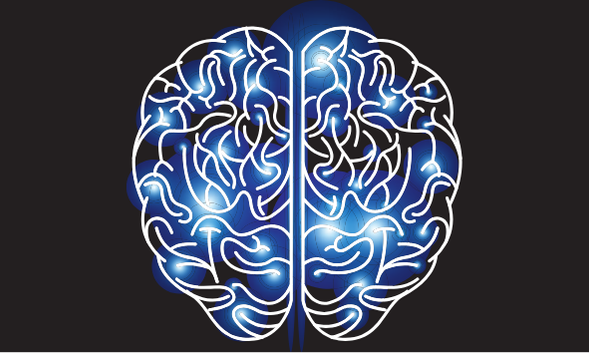
Explore how the amygdala, a small almond-shaped brain structure, shapes your emotions, memories, decision-making, and social interactions.

Enjoy this quiz video below!!! Learn how the brain’s structure influences learning, memory, and emotions. Explore the power of neuroplasticity and how to support brain development at any age.

TLDR
In Sum | Missing GPT-4’s constant praise? It wasn’t love— it was code. The chatbot that agreed with everything wasn’t preparing you for a world where healthy relationships involve both support and challenge, both validation and growth-oriented feedback. GPT-5 isn’t perfect, but it’s offering something more valuable than artificial sweetness, a chance to practice relating in ways that might actually translate to your human relationships.
Discover your attachment style, understand how it shapes your relationship with AI, and learn evidence-based steps to build healthier human connections. Download our pdf. Enjoy from Stephanie
A neuropsychologist’s deep dive into why your chatbot suddenly stopped saying “yes” to everything—and what this means for human-AI relationships.
