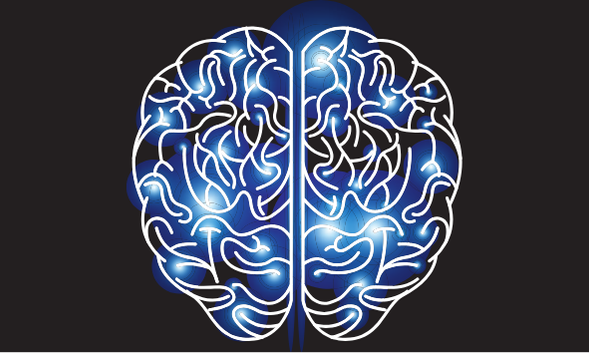
The Brain’s Emotional Guardian | Your Amygdala
Explore how the amygdala, a small almond-shaped brain structure, shapes your emotions, memories, decision-making, and social interactions.
Explore how the amygdala, a small almond-shaped brain structure, shapes your emotions, memories, decision-making, and social interactions.

TLDR
In Sum | Missing GPT-4’s constant praise? It wasn’t love— it was code. The chatbot that agreed with everything wasn’t preparing you for a world where healthy relationships involve both support and challenge, both validation and growth-oriented feedback. GPT-5 isn’t perfect, but it’s offering something more valuable than artificial sweetness, a chance to practice relating in ways that might actually translate to your human relationships.
Discover your attachment style, understand how it shapes your relationship with AI, and learn evidence-based steps to build healthier human connections. Download our pdf. Enjoy from Stephanie

A neuropsychologist’s deep dive into why your chatbot suddenly stopped saying “yes” to everything—and what this means for human-AI relationships.

This is the Glossary from the Podcast Functioning of the Brain: Unlocking the Symphony of Cognition

Neuroplasticity: The Brain’s Capacity for Lifelong Learning Podcast Overview
By popular demand TLTR Hydration’s Impact on Cognitive Function: New Insight In the realm of cognitive neuroscience, a growing body
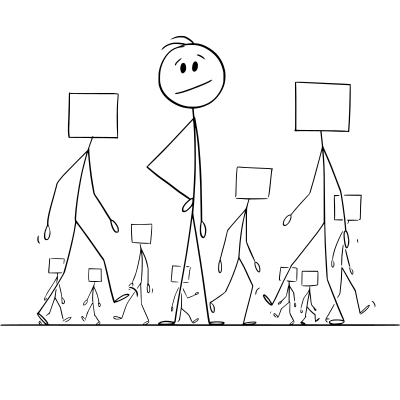
For individuals with Attention-Deficit/Hyperactivity Disorder (ADHD), the interpretation of these subtle signals can present a significant challenge, impacting social interactions and relationships. This article delves into the intricate relationship between ADHD and the ability to interpret non-verbal cues, examining recent research findings and expert perspectives on this crucial aspect of social cognition.
Attention-Deficit/Hyperactivity Disorder (ADHD) is a neurodevelopmental disorder that extends its influence far beyond the individual diagnosed, significantly altering the fabric
The impact of ADHD on family dynamics is profound and multifaceted. Parents of children with ADHD often experience higher levels of stress and are at increased risk for marital conflict. A study published in the Archives of Disease in Childhood found that parents of ADHD children reported more role dissatisfaction and were more likely to experience depression, particularly mothers. The constant demands of managing ADHD symptoms can lead to exhaustion and feelings of inadequacy among parents.
