The ADHD Rollercoaster: Navigating the Peaks and Valleys of Neurodiversity
By popular demand read the shorter version ADHD Rollercoaster: Understanding the Ups and Downs of Attention Deficit Hyperactivity Disorder In
By popular demand read the shorter version ADHD Rollercoaster: Understanding the Ups and Downs of Attention Deficit Hyperactivity Disorder In
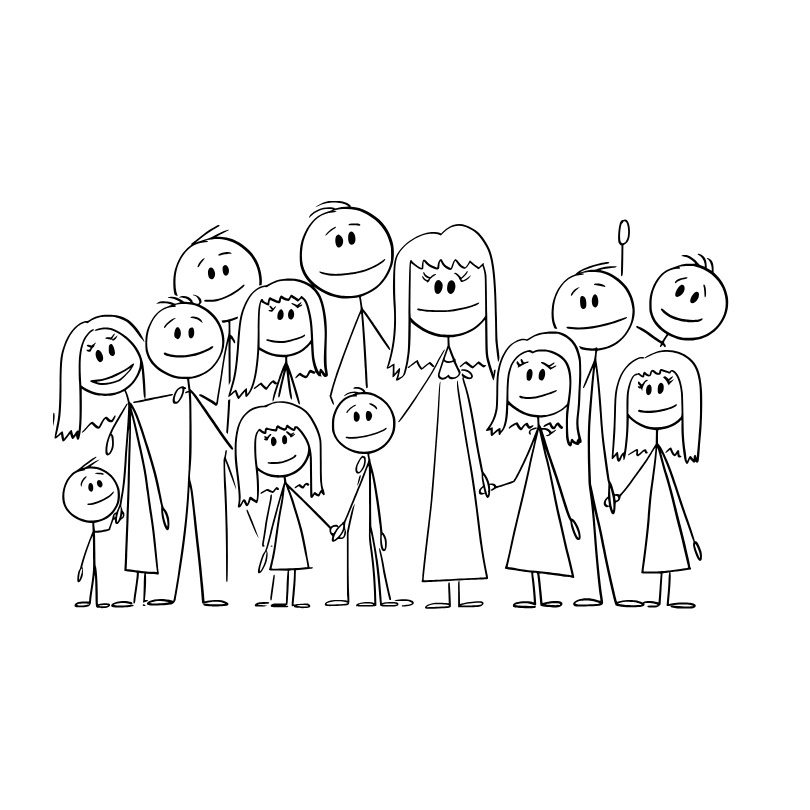
Building resilience in families affected by ADHD is crucial for long-term well-being and success. Resilience allows individuals and families to adapt to challenges, bounce back from setbacks, and thrive despite difficulties.

This blog explores a common ADHD experiences: the infamous “time warp” where a quick YouTube break turns into hours of binge-watching.
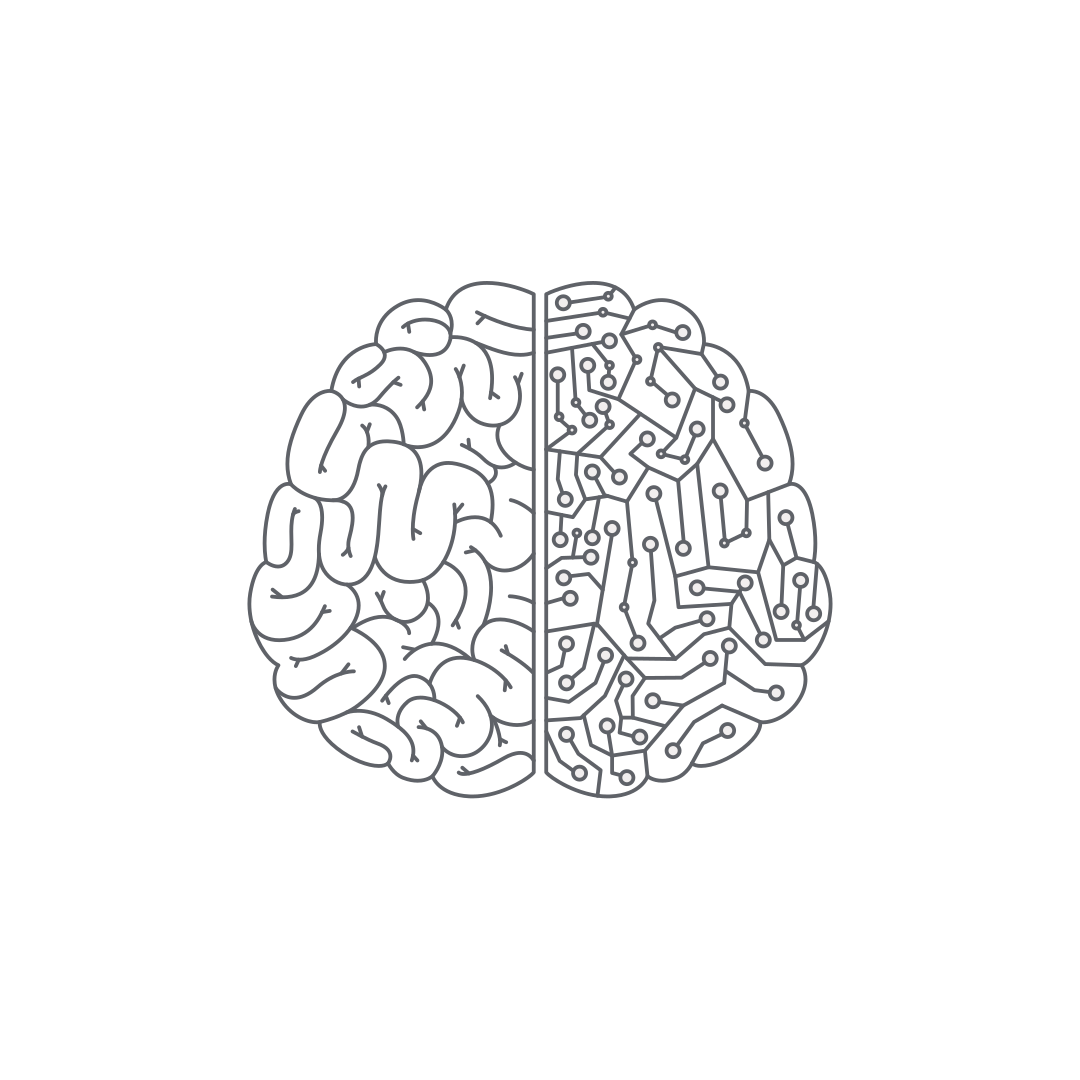
Delve into the latest scientific research on hyperfocus in Attention Deficit Hyperactivity Disorder (ADHD), examining its neurological basis, cognitive mechanisms, and implications for diagnosis and treatment.

ADHD in adulthood presents a unique set of challenges, ranging from time blindness to impulsivity and procrastination. While these difficulties can create humorous situations, they also reflect deeper neurobiological processes involving the brain’s executive functions, attention networks, and reward systems.

Creative solutions can significantly enhance the effectiveness of ADHD parenting strategies.
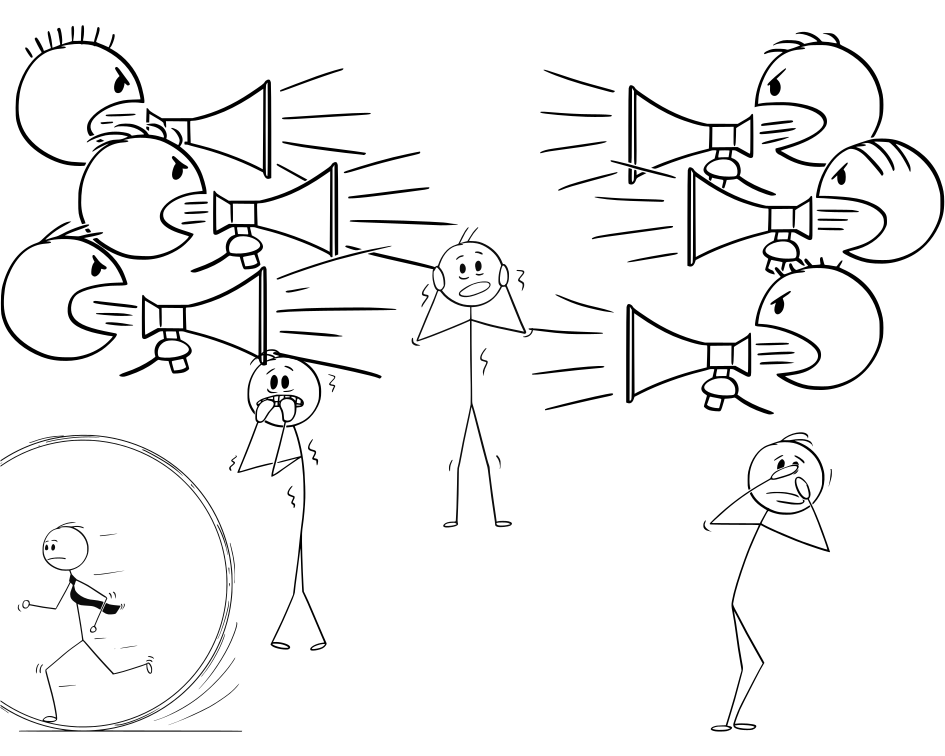
Effective communication is crucial for families managing ADHD, as it can significantly improve relationships and help children with ADHD develop better social skills. Here are some key communication patterns that parents can adopt
