Evaluations Blog

All posts for testing related subjects and evaluations:
Understand the process and benefits of neuropsychological assessments at Smith Clinic. Learn how these evaluations can provide insights into cognitive functioning and guide treatment plans.

Evaluations Blog

The Profound Impact of Peer Loss in Adolescence: A Neuropsychological Perspective

The death of a peer during adolescence affects three critical areas: self-esteem, identity formation, and emotional protective functions. These impacts are particularly severe because peer relationships play a central role in adolescent development. The sudden removal of a significant peer relationship can destabilize an adolescent’s entire sense of self and security in the world.

Cartoon character, multitasking and looking overwhelmed. Smith Clinic
All in English, Evaluations Blog, Expert practical guidance for all ages, General

The Humorous Challenges of ADHD in Adulthood: Navigating Life with Laughter and Science

ADHD in adulthood presents a unique set of challenges, ranging from time blindness to impulsivity and procrastination. While these difficulties can create humorous situations, they also reflect deeper neurobiological processes involving the brain’s executive functions, attention networks, and reward systems.

Neural-pathways-the-routes-on-our DMN
All in English, Evaluations Blog, Expert practical guidance for all ages

The Default Mode Network – Insights into Resting-State Brain Activity and Cognitive Function

While much has been learned about the DMN in the past two decades, there remain significant gaps in our understanding of how this network interacts with other brain systems and how its dysfunction contributes to various mental health conditions. Future research that integrates novel imaging techniques and longitudinal data will be critical in advancing our understanding of the DMN’s role in both health and disease.

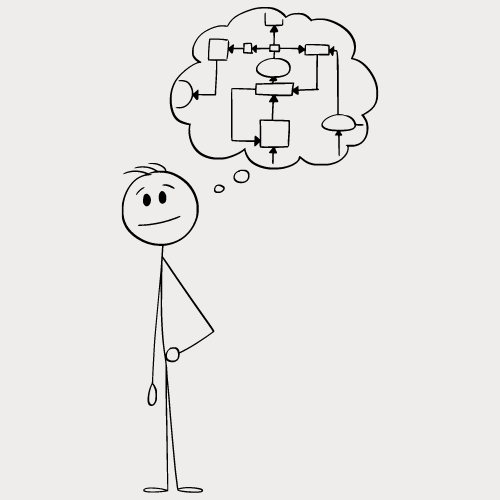
Theory of mind with cartoon character
All in English, Evaluations Blog, Expert practical guidance for all ages

Theory of Mind: Cognitive Foundations, Neurological Underpinnings, and Clinical Implications

While significant progress has been made in identifying the neural correlates of ToM and its impairments, many questions remain. Future research should focus on developing more precise interventions aimed at improving ToM in clinical populations, as well as exploring the variability in ToM abilities across different individuals. Such work will be crucial in advancing our understanding of social cognition and its role in mental health.

Scroll to Top