
Understanding the neurocognitive mechanisms and their implications
The Complexities of Executive Functioning, this is a critical area of cognitive neuroscience that refers to a set of high-level

The Complexities of Executive Functioning, this is a critical area of cognitive neuroscience that refers to a set of high-level

While much has been learned about the DMN in the past two decades, there remain significant gaps in our understanding of how this network interacts with other brain systems and how its dysfunction contributes to various mental health conditions. Future research that integrates novel imaging techniques and longitudinal data will be critical in advancing our understanding of the DMN’s role in both health and disease.
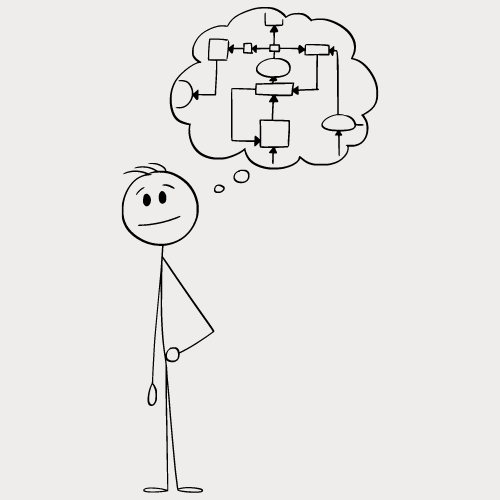
While significant progress has been made in identifying the neural correlates of ToM and its impairments, many questions remain. Future research should focus on developing more precise interventions aimed at improving ToM in clinical populations, as well as exploring the variability in ToM abilities across different individuals. Such work will be crucial in advancing our understanding of social cognition and its role in mental health.

Once thought to be a capacity limited to early development, neuroplasticity is now recognized as a dynamic process that continues throughout life. Its significance spans a broad spectrum of applications, from therapeutic interventions for neurological damage to optimizing cognitive development.

These functions play an essential role in enabling individuals to plan, organize, control impulses, and adapt to novel situations. Central to our understanding of executive functioning is its reliance on an intricate network of neural processes, predominantly localized in the prefrontal cortex.
Why start with the simple ideas, let’s go for the most intricate ideas in neuropsychology!

“Neurodivergent” is used to describe individuals whose neurological functioning differs from the societal norm. This can include people with autism, ADHD, dyslexia, and other neurological conditions.

The main differences between Attention Deficit Hyperactivity Disorder (ADHD) and Autism Spectrum Disorder (ASD) lie in their core characteristics and the way they impact an individual’s behavior, social interactions, and cognitive profile.

his article explores the potential of music therapy in treating depression, examining its neuropsychological mechanisms, effectiveness across diverse populations, and innovative techniques.

The human brain, often likened to a vast treasure map filled with cognitive gems, possesses an extraordinary capacity for learning and adaptation throughout life. This neuroplasticity allows for continuous growth and development, shaping our cognitive abilities, behaviors, and overall mental well-being.
