
The Ripple Effect: ADHD’s Impact on Family Dynamics and Relationships
Attention-Deficit/Hyperactivity Disorder (ADHD) is a neurodevelopmental disorder that extends its influence far beyond the individual diagnosed, significantly altering the fabric

Attention-Deficit/Hyperactivity Disorder (ADHD) is a neurodevelopmental disorder that extends its influence far beyond the individual diagnosed, significantly altering the fabric
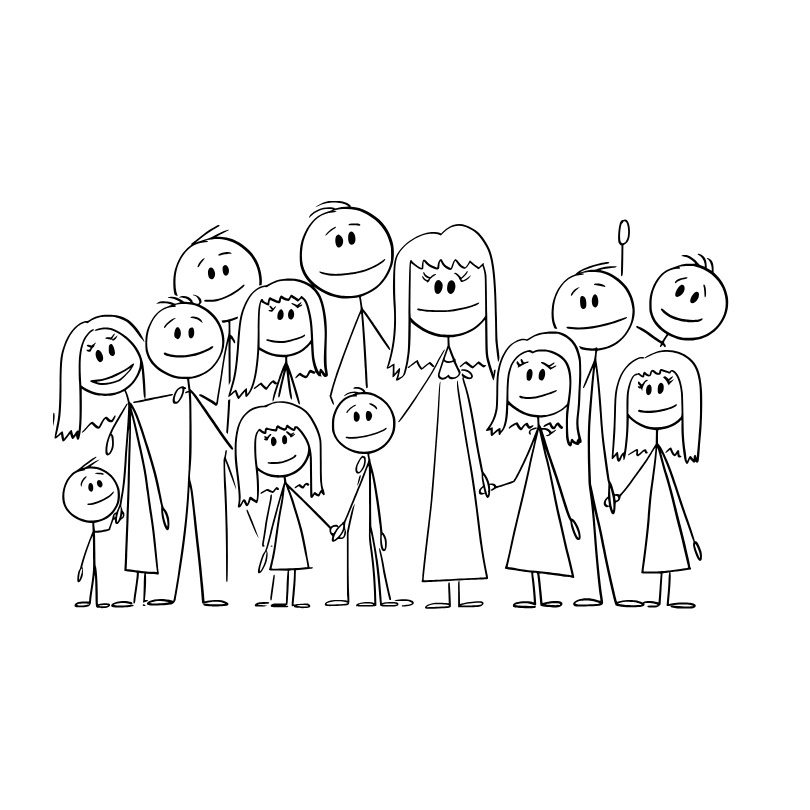
The impact of ADHD on family dynamics is profound and multifaceted. Parents of children with ADHD often experience higher levels of stress and are at increased risk for marital conflict. A study published in the Archives of Disease in Childhood found that parents of ADHD children reported more role dissatisfaction and were more likely to experience depression, particularly mothers. The constant demands of managing ADHD symptoms can lead to exhaustion and feelings of inadequacy among parents.
As a neuropsychologist living with ADHD, I’ve come to appreciate the unexpected benefits that hyperfocus can offer when properly harnessed. While often viewed as a challenging aspect of ADHD, this intense state of concentration can actually provide some surprising advantages. Let’s explore these hidden gems of hyperfocus and how they can be leveraged to enhance various aspects of life and work.

As research in this area continues to evolve, it’s becoming increasingly clear that the relationship between ADHD and nutrition is complex and multifaceted. While challenges in meal planning and maintaining a balanced diet are common among individuals with ADHD, they are not insurmountable. By implementing strategies that work with the ADHD brain, focusing on nutrient-dense foods, and maintaining a flexible approach to meal planning, individuals with ADHD can work towards optimizing their nutrition and potentially supporting their overall symptom management.
In a world where attention spans are shorter than a goldfish’s memory and to-do lists multiply faster than rabbits, the
The therapeutic power of humor in ADHD lies not in denying the real challenges associated with the disorder, but in providing a tool for navigating those challenges with grace, creativity, and resilience. As research in this area continues to unfold, it may well reveal that laughter is indeed one of the most potent medicines for the ADHD brain.
By popular demand read the shorter version ADHD Rollercoaster: Understanding the Ups and Downs of Attention Deficit Hyperactivity Disorder In
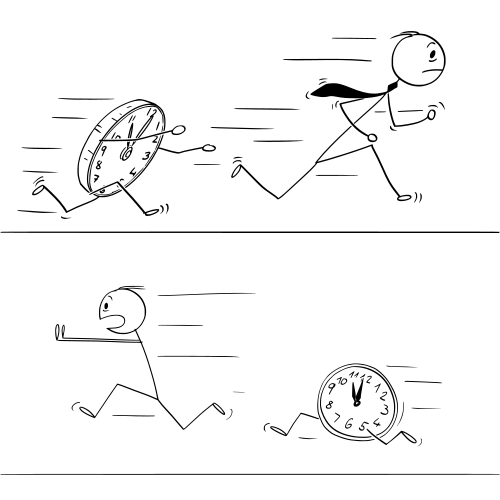
Explore the neuropsychological underpinnings of time perception in ADHD, its impact on daily functioning, and potential therapeutic approaches in this comprehensive analysis.
In a recent evening debate at the prestigious University of Wit and Cheek, the Jungian Therapists Department and the notoriously selective department of A Splash of Irony locked horns over the perplexing topic of “Parenting and Interpreting The Teen Grunt.” The event, presided over by the esteemed Dean Dr. Cortex Insular, promised to be a verbal jousting match of epic proportions, with academics armed to the teeth with theories, puns, and the occasional eye roll.
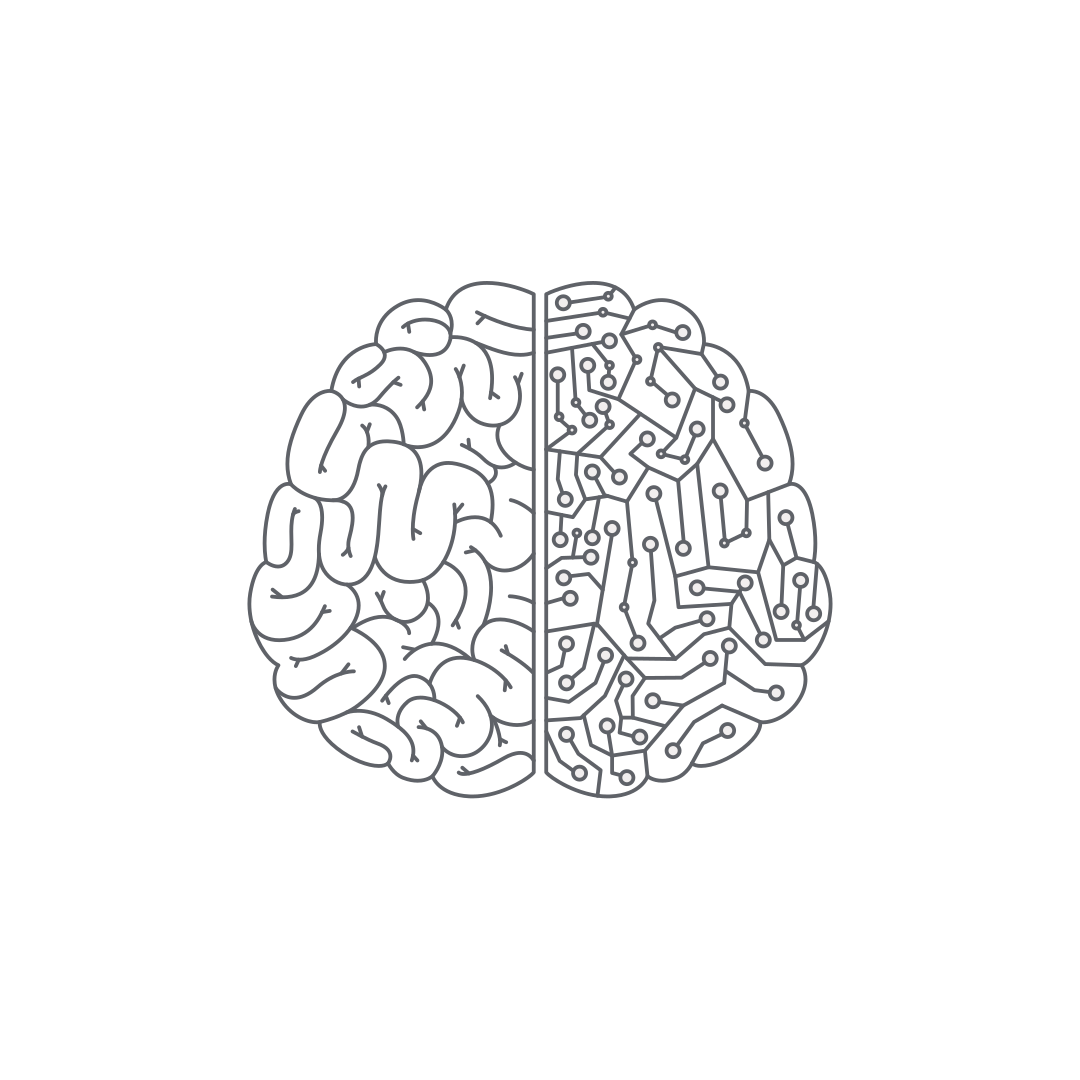
Delve into the latest scientific research on hyperfocus in Attention Deficit Hyperactivity Disorder (ADHD), examining its neurological basis, cognitive mechanisms, and implications for diagnosis and treatment.
