
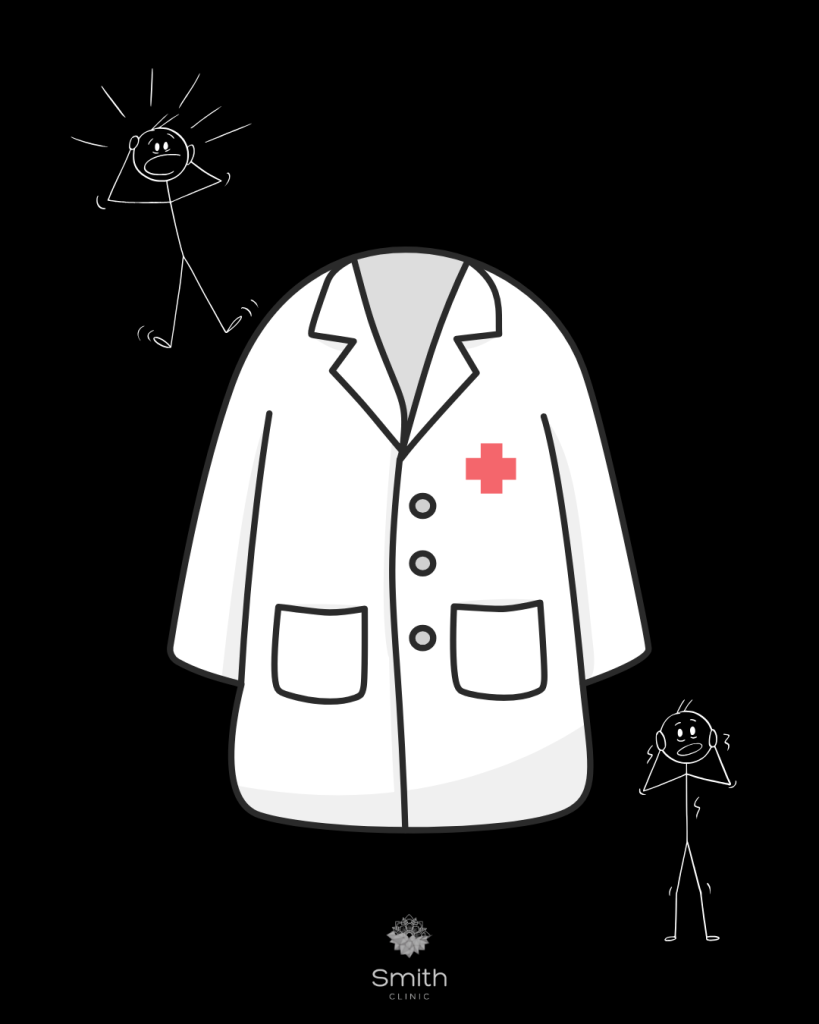
Fear Series – Afraid of Going to the Doctor
Have you ever postponed a doctor’s appointment even though you knew you should go? Have you felt a knot in your stomach just thinking about scheduling a medical exam? If so, you’re not alone — the fear of going to the doctor is more common than it seems, and it can have many underlying causes.
In this text, we’re going to explore this fear, understand where it comes from, and, most importantly, talk about how to deal with it in a more compassionate and mindful way.
It’s not “just being dramatic” — the fear is real
Avoiding check-ups, medical exams, or doctor visits might seem like laziness or carelessness at first. But for many people, this avoidance is connected to deep, legitimate fears, such as:
- Fear of receiving a serious diagnosis
- Anxiety around needles, blood, or medical procedures
- Negative past experiences with healthcare professionals
- Feelings of vulnerability or loss of control
- Fear of the hospital environment itself (sounds, smells, equipment)
This kind of fear can show up mildly (like tension before an appointment) or more intensely, even causing anxiety attacks, a racing heart, or total avoidance of any contact with the healthcare system.
Where does this fear come from?
Often, this fear develops over time. A bad experience in childhood, a loved one who became seriously ill, a traumatic medical procedure, or even how society portrays health — mainly in relation to illness — can contribute to this aversion.
We also live in a culture that glorifies being “strong” and handling everything alone. Seeking help, including medical help, is often wrongly seen as a weakness.
The consequences of postponing care
The big issue is that, when unaddressed, this fear can lead to neglecting our health. Conditions that could have been prevented or treated early end up being discovered much later, leading to more physical and emotional distress.
Taking care of your health doesn’t have to be a painful experience — but for that to happen, it’s important to face your fears with compassion and find ways to manage them.
How to deal with fear of the doctor
Here are a few strategies that might help:
- Acknowledge the fear
Don’t try to ignore or minimize it. Validating how you feel is the first step toward easing anxiety. - Talk about it
Sharing your feelings with friends, family, or a therapist can help put things into perspective. - Do some research before your appointment
Knowing what to expect from the appointment or exam can reduce uncertainty and ease tension. - Choose healthcare professionals who make you feel comfortable
A doctor who listens attentively, explains clearly, and shows empathy can make a huge difference. - Bring someone with you
Having emotional support during an appointment can make the experience feel safer and more manageable. - Consider therapy
If your fear is intense and affecting your life, therapy can provide a safe space to work through it and build coping strategies.
Going to the doctor is also self-care
Taking care of your physical health is a vital part of emotional well-being. Seeking medical help isn’t a sign of weakness — it’s a sign of courage. Facing your fear, step by step, gently and without pressure, is one of the best gifts you can give yourself.
If you resonated with this topic, know that you’re not alone. Talking about it is already a step toward transforming fear into a healthier relationship with your body and your care.
References
1. Cleveland Clinic. (2024). 7 Myths (and the Facts) About ADHD.
2. Counseling Center Group. (2024). Debunking Common ADHD Misconceptions: The Truth Revealed.
3. MSD Manuals. (2024). Clearing Up the Most Common Myths About Autism Spectrum Disorder.
4. University of Utah Health. (2024). Why Is Adult ADHD on the Rise?
5. Bupa UK. (2024). Debunking eight misconceptions about autism spectrum disorder.
6. WebMD. (2024). Autism Myths and Facts.
7. Ambitious About Autism. (n.d.). 10 misconceptions about autism.
8. Nevada Autism Treatment Assistance Program. (n.d.). Autism Myths and Misconceptions.
9. Autism Speaks. (2023). Autism statistics and facts.
10. Centers for Disease Control and Prevention. (2024). Data and Statistics on Autism Spectrum Disorder.
Sources
Clearing Up the Most Common Myths About Autism Spectrum Disorder https://www.msdmanuals.com/home/news/editorial/2024/08/15/15/17/clearing-up-the-most-common-myths-about-autism-spectrum-disorder
Myths & Facts about Autism Spectrum Disorder https://www.kennedykrieger.org/stories/myths-facts-about-autism-spectrum-disorder
Debunking 8 Autism Myths and Misconceptions https://health.clevelandclinic.org/autism-myths-and-misconceptions
Facts About Autism: Comprehensive Overview for 2024 https://abacustherapies.com/facts-about-autism-comprehensive-overview-for-2024/
Debunking eight misconceptions about autism spectrum disorder https://www.bupa.co.uk/newsroom/ourviews/misconceptions-about-autism
Autism Myths and Facts – WebMD https://www.webmd.com/brain/autism/features/autism-myths-facts
10 misconceptions about autism https://www.ambitiousaboutautism.org.uk/about-us/media-centre/blog/10-misconceptions-about-autism
[PDF] Autism myths and misconceptions – ADSD (nv.gov) https://adsd.nv.gov/uploadedFiles/adsdnvgov/content/Programs/Autism/ATAP/Autism%20Myths%20and%20Misconceptions.pdf
Autism statistics and facts | Autism Speaks https://www.autismspeaks.org/autism-statistics-asd
Data and Statistics on Autism Spectrum Disorder – CDC https://www.cdc.gov/autism/data-research/index.html

the Clinical Insights Blog by Stephanie and edited by Michael
With A little AI and OI | @smithclinic.eng

