

Clinical Insights Blog Series
The Ultimate Guide to Two-Year-Old Development: Navigating the Toddler Years SERIES Part 5 of 6.
Welcome back, intrepid parents!
Behavioral Development
Welcome back, intrepid parents! We’ve journeyed through the cognitive, emotional, psychological, and social landscapes of your two-year-old’s development. Now, let’s dive into the fascinating world of behavioral development. Buckle up as we explore the sometimes turbulent, often amusing, and always enlightening behaviors of your little one!
The “Terrible Twos”: Myth or Reality?
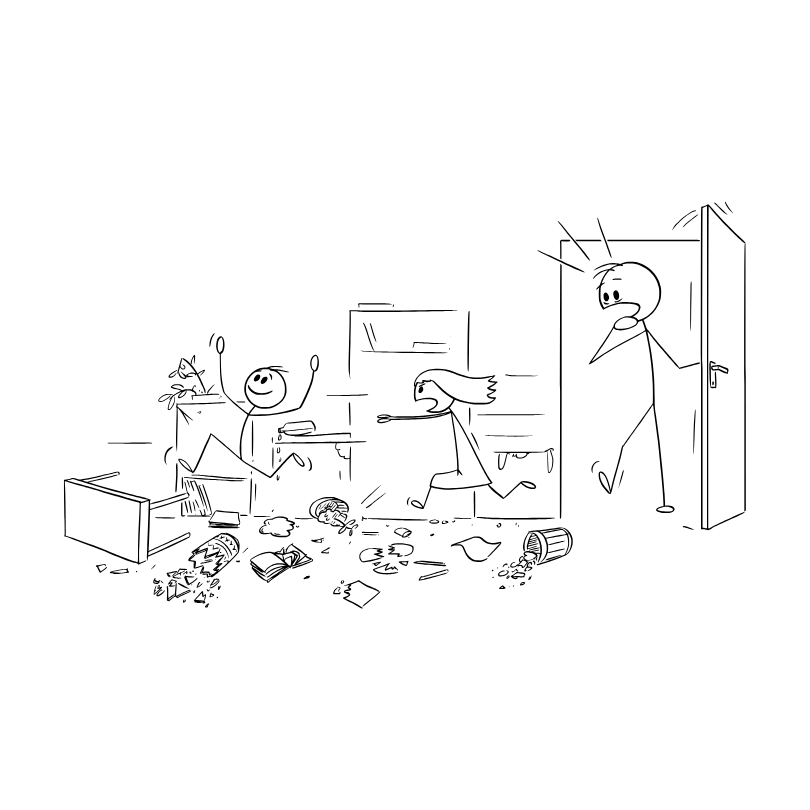
Ah, the infamous “terrible twos.” This phrase often strikes fear into the hearts of parents, but let’s reframe our perspective. What we’re really witnessing is a period of incredible growth and self-discovery.
Understanding the Behavior Behind the Label
At two, your child is experiencing:
A surge in independence
Rapidly developing language skills
Growing awareness of their own desires
Limited impulse control
This combination can lead to frustration, which often manifests as challenging behavior. Remember, your child isn’t giving you a hard time; they’re having a hard time.
The Power of Routines in Shaping Behavior
One of the most effective tools in your parenting toolkit is the establishment of routines. Routines provide structure and predictability, which can significantly impact behavior.
Benefits of Routines for Toddlers
Increased sense of security
Improved cooperation
Reduced power struggles
Enhanced ability to handle transitions
Try creating simple, consistent routines for key parts of the day like bedtime, mealtime, and getting dressed. These predictable patterns can help your child feel more in control and reduce behavioral challenges.
Positive Reinforcement: Encouraging Good Behavior
While it’s easy to focus on challenging behaviors, don’t forget to celebrate the positive ones! Positive reinforcement is a powerful tool for shaping behavior.
Strategies for Positive Reinforcement
Offer specific praise: “I love how you shared your toy with your friend!”
Use non-verbal cues: A smile, thumbs up, or high-five can be powerful motivators
Provide small rewards: Extra playtime or a special sticker can reinforce good behavior
Remember, the goal is to make your child feel noticed and appreciated for their efforts.
Managing Tantrums: The Art of Staying Calm in the Storm
Tantrums are a normal part of toddler development. They’re often a result of your child’s inability to express complex emotions or desires through language.
Tantrum Management Techniques
Stay calm: Your composure can help de-escalate the situation
Acknowledge feelings: “I see you’re really upset right now”
Offer choices: This gives your child a sense of control
Use distraction: Sometimes, a change of scenery works wonders
Provide a safe space: Some children need a quiet spot to calm down
The Role of Play in Behavioral Development
Play isn’t just fun; it’s a crucial tool for behavioral development. Through play, children learn important skills like turn-taking, sharing, and following rules.
Types of Play That Support Behavioral Development
Pretend play: Helps children process and understand social norms
Cooperative play: Teaches sharing and collaboration
Physical play: Helps children learn to regulate their bodies and emotions
Encourage a variety of play experiences to support your child’s behavioral growth.
Setting Boundaries: The Foundation of Discipline
At two, your child is testing boundaries – it’s their job! Your role is to set clear, consistent limits.
Effective Boundary-Setting Strategies
Be clear and concise: Use simple language to explain rules
Be consistent: Follow through with consequences every time
Offer choices within limits: “Would you like to wear the red shirt or the blue shirt?”
Model good behavior: Your child is always watching and learning from you
Remember, discipline isn’t about punishment; it’s about teaching.
The Impact of Environment on Behavior
Your child’s behavior is significantly influenced by their environment. Consider:
Home atmosphere: A calm, organized environment can promote calmer behavior
Consistent caregiving: Align with other caregivers on rules and expectations
Overstimulation: Too much noise or activity can lead to overwhelm and misbehavior
Creating a supportive environment can go a long way in promoting positive behavior.
When to Seek Professional Help
While every child develops at their own pace, some behavioral concerns might warrant professional attention:
Excessive aggression
Extreme anxiety or fearfulness
Persistent difficulty with transitions or changes in routine
Significant regression in skills or behaviors
If you’re concerned about your child’s behavior, don’t hesitate to consult with your pediatrician or a child psychologist.
Embracing the Behavioral Journey
Parenting a two-year-old is an adventure filled with triumphs and challenges. There will be moments of frustration (like when your little one insists on wearing their superhero cape to the grocery store), and moments of pure joy (like when they spontaneously give you a hug and say “I love you”).
Remember, your child’s behavior is a form of communication. By understanding the motivations behind their actions, responding with patience and consistency, and celebrating their efforts, you’re laying the foundation for a lifetime of positive behavior.
So, the next time your two-year-old has a meltdown because their sandwich is cut in triangles instead of squares, take a deep breath. You’re not just managing a tantrum; you’re guiding a little human as they learn to navigate their big emotions and desires in a complex world. And that, dear parents, is nothing short of heroic.
Stay tuned for our final installment, where we’ll explore the physical development of two-year-olds. Until then, keep calm and parent on!
References
https://www.ncbi.nlm.nih.gov/pmc/articles/PMC9371856
https://www.scielo.br/j/rsp/a/hp7bT579hMs8P96W5YMR87M
https://www.ncbi.nlm.nih.gov/books/NBK310550
https://www.ncbi.nlm.nih.gov/pmc/articles/PMC3857730
https://www.ncbi.nlm.nih.gov/books/NBK534819
https://www.understood.org/en/articles/developmental-milestones-for-typical-2-year-olds
https://www.zerotothree.org/resource/24-36-months-social-emotional-development
https://www.ncbi.nlm.nih.gov/books/NBK225544
https://www.happiestbaby.com/blogs/toddler/toddler-routine
https://eclkc.ohs.acf.hhs.gov/quienes-somos/articulo/importance-schedules-routines
https://www.zerotothree.org/resource/creating-routines-for-love-and-learning

the Clinical Insights Blog by Stephanie and edited by Michael
With A little AI and OI | @smithclinic.eng

