Harmful Misconceptions About ADHD
October ADHD Awareness Month Series Bonus Post Misconceptions about Attention Deficit Hyperactivity Disorder (ADHD) can have significant negative impacts on
October ADHD Awareness Month Series Bonus Post Misconceptions about Attention Deficit Hyperactivity Disorder (ADHD) can have significant negative impacts on
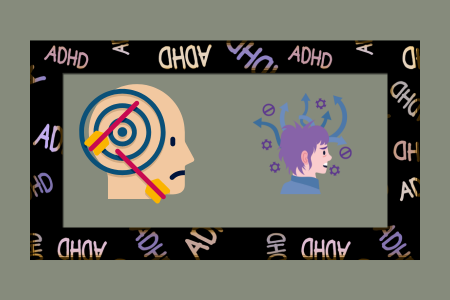
Part 6 of Our October ADHD Awareness Month Series The concept of time, a fundamental aspect of human experience, takes
Part 5 of Our October ADHD Awareness Month Series The phenomenon of hyperfocus in Attention Deficit Hyperactivity Disorder (ADHD), challenging

The Science of Protective Factors in Suicide Prevention Yesterday, I received a message that stopped me in my tracks. Y,
In an earlier post, I wrote about vulnerability factors, but I felt that as this self-harm deserved a full post
Part 9 | From a neuropsychological perspective, each type of suicide according to Durkheim, corresponds to different patterns of brain dysfunction.
Part 8 | Working in Brazil has shown me how cultural factors interact with Durkheim’s suicide types in unique ways. Brazilian culture traditionally emphasises strong family bonds and community connection, as well as emphasising warmth, personal connection, and emotional expressiveness, these are what we call protective factors against egoistic suicide. And yet these same cultural strengths can become vulnerabilities in digital contexts.
Part 7 | Digital spaces often lack clear moral frameworks, think a little about the following questions:
What’s private versus public?
What’s authentic versus performative?
How do traditional relationship rules apply to online connections?
Part 6 Whilst I was looking for inspiration to write these posts, I found a paper I wrote on Émile Durkheim’s “Le Suicide” from 1897. Rereading the paper, I realised that this sociologist’s writings about human despair might hold part of the key to understanding why a 16-year-old in Florida could find so much comfort in an AI chatbot.
Part 5 However, digital-age risk assessment must expand to include new indicators, such as isolation patterns, anthropomorphization of Ai, and repetitive behaviours.
