The Ripple Effect: ADHD’s Impact on Family Dynamics and Relationships
Attention-Deficit/Hyperactivity Disorder (ADHD) is a neurodevelopmental disorder that extends its influence far beyond the individual diagnosed, significantly altering the fabric
Attention-Deficit/Hyperactivity Disorder (ADHD) is a neurodevelopmental disorder that extends its influence far beyond the individual diagnosed, significantly altering the fabric
As research in this area continues to evolve, it’s becoming increasingly clear that the relationship between ADHD and nutrition is complex and multifaceted. While challenges in meal planning and maintaining a balanced diet are common among individuals with ADHD, they are not insurmountable. By implementing strategies that work with the ADHD brain, focusing on nutrient-dense foods, and maintaining a flexible approach to meal planning, individuals with ADHD can work towards optimizing their nutrition and potentially supporting their overall symptom management.

The rollercoaster metaphor as a vivid way to describe my ADHD experience, capturing the intense highs and lows, sudden changes, and overall sense of exhilaration and exhaustion
It’s important to recognize that ADHD affects not just the child, but the entire family system.

Living with ADHD and hyperfocus is a constant balancing act. It’s about learning to dance with your brain’s quirks rather than fighting against them.
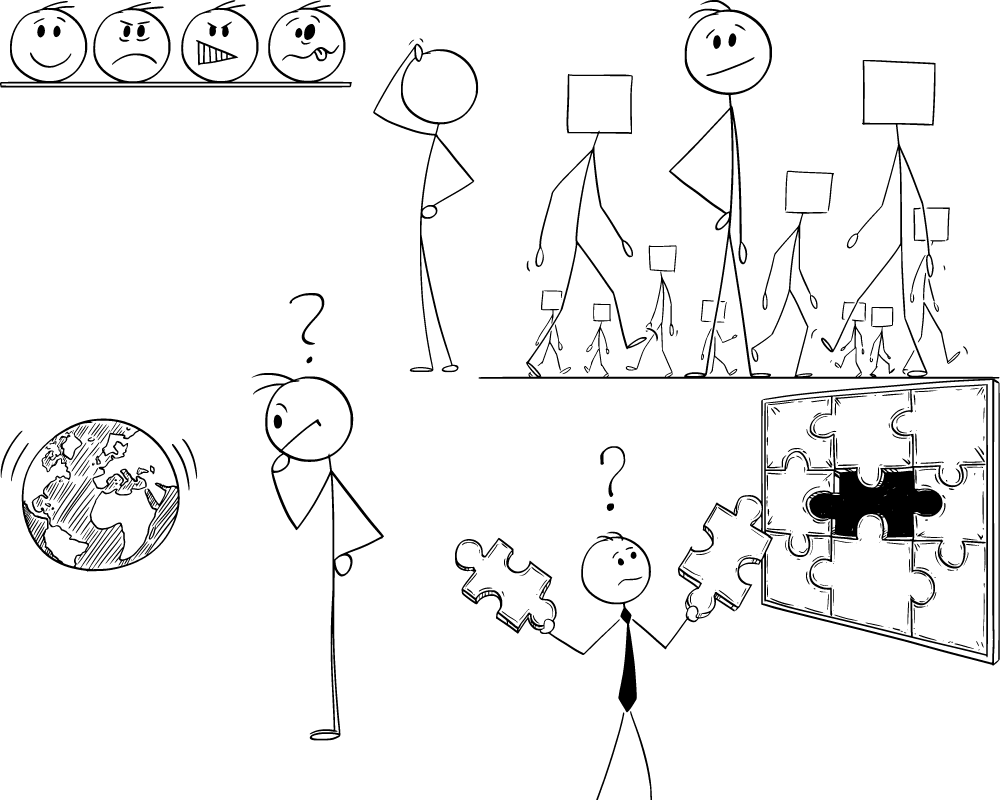
Living with ADHD often feels like starring in your own personal sitcom, where everyday tasks become epic quests and your brain seems to operate on its own zany schedule. Let’s dive into some relatable ADHD narratives that will have you nodding along and maybe even snorting with laughter.

Meal planning with ADHD is like trying to herd cats while juggling flaming torches – it’s chaotic, unpredictable, and there’s a high chance something will get singed.